
Ruger Enters the Glock-Compatible Arena — And Means It
When a major American firearms manufacturer decides to build a pistol that's intentionally compatible with the world's most popular handgun platform, it's worth paying attention. That's exactly what Ruger did with the RXM — a full-featured 9mm striker-fired pistol engineered from the ground up to accept Glock 17 and Glock 19 magazines, work with Glock-compatible aftermarket components, and fit in holsters designed for the Glock 19.
The RXM isn't Ruger's first striker-fired pistol, and it isn't their first attempt at the competitive carry market. But it represents something different: a deliberate, strategic decision to plug into the most developed aftermarket ecosystem in the handgun industry rather than build a proprietary platform that buyers have to commit to from scratch. For shooters who've been curious about Ruger's quality but hesitant to leave the Glock ecosystem, the RXM makes that decision significantly easier.
This guide covers everything you need to know about the RXM — what it is, what makes it different, how it compares to the Glock 19 it's designed to complement, and what the carry community actually thinks about it.
What Is the Ruger RXM?
The Core Concept
The Ruger RXM is a compact striker-fired 9mm pistol introduced in late 2024. Its defining characteristic is intentional Glock compatibility: the RXM accepts Glock 17 and Glock 19 magazines, is designed to work with a wide range of Glock-compatible aftermarket triggers and components, and fits in holsters made for the Glock 19.
This isn't accidental dimensional similarity — it's a deliberate engineering decision. Ruger recognized that the Glock 19's aftermarket ecosystem is the deepest in the handgun industry, and that buyers who want to customize their pistols, use existing holsters, or share magazines with Glock-owning family members face a real barrier when choosing non-Glock platforms. The RXM removes that barrier.
Key Specifications
| Specification | Ruger RXM |
|---|---|
| Caliber | 9mm Luger |
| Action | Striker-fired |
| Barrel Length | 4.02 inches |
| Overall Length | 7.28 inches |
| Height | 5.04 inches |
| Width | 1.28 inches |
| Weight (unloaded) | 23.4 oz |
| Standard Capacity | 15+1 (Glock 19 magazine) |
| Magazine Compatibility | Glock 17 and Glock 19 magazines |
| Frame Material | Glass-filled nylon polymer |
| Slide Material | Alloy steel, black nitride finish |
| Optics Ready | Yes (factory optic cut) |
| Rail | Picatinny accessory rail |
| MSRP | ~$499 |
The Glock Compatibility Story: What It Actually Means
Magazine Compatibility
The RXM accepts standard Glock 17 and Glock 19 magazines without modification. This is the most immediately practical compatibility feature for most buyers:
- If you already own Glock magazines, they work in the RXM immediately
- If family members or range partners carry Glocks, you can share magazines in an emergency
- Glock OEM magazines are widely available, competitively priced, and proven reliable
- Extended capacity magazines (Shield Arms S15, for example) that work in Glock 19 platforms are compatible
- The RXM ships with two 15-round Glock 19 magazines — not proprietary Ruger magazines
This magazine compatibility is more significant than it might initially appear. Proprietary magazine ecosystems are one of the hidden costs of choosing non-Glock platforms — you're locked into one manufacturer's pricing and availability. The RXM eliminates this lock-in entirely.
Aftermarket Component Compatibility
The RXM is designed to accept a wide range of Glock-compatible aftermarket components, particularly triggers. The trigger housing and fire control group are engineered to work with Glock-compatible trigger upgrades from manufacturers like Apex Tactical, Ghost, and Overwatch Precision.
This is significant because the Glock trigger — while functional and reliable — is widely considered the first upgrade most serious Glock owners make. The ability to drop in a quality aftermarket trigger without platform-specific sourcing is a meaningful advantage over pistols with proprietary trigger systems.
Holster Compatibility
The RXM's dimensions are engineered to match the Glock 19's holster footprint. This means the enormous existing market of Glock 19 holsters — IWB, OWB, AIWB, light-bearing, duty, competition — is immediately available to RXM owners without waiting for RXM-specific holster development.
For a new pistol platform, this is an extraordinary advantage. Most new pistols launch with limited holster options and require buyers to wait months or years for the aftermarket to catch up. The RXM launches with access to the deepest holster ecosystem in the industry.
WARRIORLAND's Glock 19-compatible holsters work with the RXM. The dedicated Ruger RXM IWB Kydex holster provides a precision-fit solution with optic cut and concealment claw specifically for the RXM. For carriers who want the proven Glock 19 holster ecosystem, the IWB hybrid holster compatible with Glock 17/19 and Ruger RXM/MR920 covers both platforms in a single leather-backed Kydex design with claw and optic cut.
What Makes the RXM Different From a Glock 19
The Trigger: Ruger's Meaningful Improvement
The RXM's factory trigger is widely reported as an improvement over the standard Glock trigger. Where the Glock trigger has a longer, mushier take-up before the break, the RXM's trigger features a shorter pre-travel, a cleaner break, and a more positive reset. Shooters who have compared both consistently note that the RXM's factory trigger feels more refined out of the box.
This matters because the Glock trigger is the most common first upgrade Glock owners make — spending $50-150 on an aftermarket trigger to get the feel that the RXM delivers from the factory. For buyers who want a better trigger without the upgrade cost, the RXM's factory trigger is a genuine advantage.
The Grip Texture: More Aggressive Than Glock
The RXM features more aggressive grip texture than the standard Glock 19 Gen 5. The texture pattern provides better purchase during rapid fire and in wet conditions without being abrasive during extended carry. Shooters with larger hands or those who prefer a more secure grip often prefer the RXM's texture to Glock's more moderate approach.
This is a subjective preference, but it's a real difference. Glock's grip texture is adequate; the RXM's is more aggressive. For shooters who've added grip tape or stippling to their Glocks, the RXM may deliver the texture they wanted from the factory.
The Optic Cut: Factory Ready Without Compromise
The RXM ships with a factory optic cut as standard — not as an upgrade or separate model. The optic cut uses a direct-mount system compatible with popular red dot footprints, allowing direct optic mounting without adapter plates.
The Glock MOS system, by comparison, uses adapter plates that add height and can introduce additional failure points. The RXM's direct-mount approach is cleaner and more secure for red dot equipped carry setups.
The Modular Fire Control Unit
The RXM features a serialized fire control unit (FCU) that can be removed from the frame — similar in concept to the SIG P320's modular design. This modularity means the serialized component (the legally regulated "firearm") is the FCU, not the frame. Future frame options or configurations could theoretically be swapped around the same FCU.
For most buyers, this modularity is a future-proofing feature rather than an immediate practical benefit. But it signals Ruger's intention to build an expandable platform rather than a static design.
The Price: Competitive With Glock
At approximately $499 MSRP (often found at retail for $450-480), the RXM is priced competitively with the Glock 19. Given that the RXM includes a factory optic cut, better factory trigger, and more aggressive grip texture as standard features — all of which cost extra on a Glock — the value proposition is strong.
A Glock 19 MOS (optics-ready) retails for approximately $100 more than the standard G19. The RXM delivers optics-ready capability at standard G19 pricing, which represents meaningful value for buyers who plan to run a red dot.
What the RXM Shares With the Glock 19
Dimensions and Form Factor
The RXM's dimensions are essentially identical to the Glock 19: 4.02-inch barrel, 7.28-inch overall length, 5.04-inch height, 23.4-ounce unloaded weight. Side by side, the two pistols are nearly indistinguishable in size. This dimensional matching is intentional and is what enables the holster compatibility.
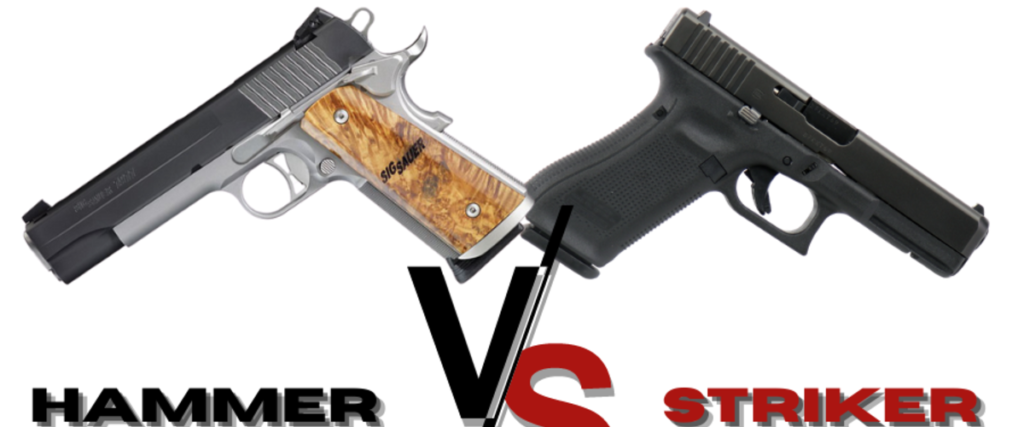
Striker-Fired Operation
Both pistols use striker-fired operation with internal safeties and no external safety lever. The manual of arms is essentially identical: load the magazine, rack the slide, the pistol is ready to fire. No external safety to disengage, no decocker to manage. Shooters who are trained on Glocks will find the RXM's operation immediately familiar.
Polymer Frame Construction
Both use glass-filled nylon polymer frames with steel slides. The weight, balance, and feel are similar. The RXM's frame has a slightly different texture and grip geometry, but the fundamental construction approach is the same.
Picatinny Rail
Both the RXM and Glock 19 feature a Picatinny accessory rail for weapon light attachment. Weapon lights designed for the Glock 19 rail are compatible with the RXM, further extending the accessory ecosystem compatibility.
The Carry Community's Verdict
Early Adopter Feedback
The concealed carry community's initial response to the RXM has been cautiously positive, with several consistent themes emerging from early adopters:
The trigger gets consistent praise. Shooters who have compared the RXM's factory trigger to the standard Glock trigger consistently prefer the RXM. The shorter pre-travel and cleaner break are the most commonly cited improvements. For shooters who've been frustrated by the Glock trigger's mushy take-up, the RXM's factory trigger is a meaningful upgrade.
The Glock magazine compatibility is the most valued feature. Buyers who already own Glock magazines, or who have family members with Glocks, consistently cite the magazine compatibility as the feature that made the RXM worth considering. The ability to use existing magazines without buying into a new ecosystem is a practical advantage that resonates with experienced shooters.
Reliability has been solid in early testing. Early adopters report reliable function across a range of ammunition types, including hollow points. No significant reliability issues have emerged in the initial months of availability. Ruger's manufacturing quality control is generally well-regarded, and the RXM appears to uphold that reputation.
The holster situation is better than expected. Because the RXM fits Glock 19 holsters, early adopters haven't faced the holster availability problem that typically plagues new platforms. The ability to use existing Glock 19 holsters immediately is consistently cited as a practical advantage.
Some skepticism about long-term aftermarket depth. While the RXM benefits from Glock magazine and holster compatibility, some experienced shooters note that platform-specific components — slides, barrels, frame modifications — will take time to develop. The RXM's aftermarket is currently limited to what's compatible from the Glock ecosystem; RXM-specific development is still early.
Who Is the RXM For?
Based on community feedback and the platform's design intent, the RXM appeals most strongly to specific buyer profiles:
Glock owners who want a second pistol without a new ecosystem: The RXM allows Glock owners to add a second pistol that shares magazines, fits existing holsters, and accepts compatible aftermarket triggers — without the cost and complexity of building a second, separate ecosystem.
Buyers who want a better factory trigger than Glock offers: Shooters who've been frustrated by the Glock trigger but don't want to spend $100+ on an aftermarket upgrade will find the RXM's factory trigger a compelling reason to choose it over the G19.
Red dot adopters who want factory optics-ready without the MOS premium: The RXM's standard optic cut at standard pricing is a better value than the Glock 19 MOS for buyers who plan to run a red dot from the start.
Ruger loyalists who've wanted a Glock-compatible option: Ruger has a strong reputation for quality and customer service. Buyers who prefer American-made firearms from established manufacturers now have a Glock-compatible option from a brand they trust.
New buyers who want maximum ecosystem flexibility: For first-time buyers who want to enter the most developed aftermarket ecosystem without committing to Glock specifically, the RXM offers an alternative entry point with the same magazine and holster compatibility.
The RXM vs. Glock 19: Which Should You Choose?
Choose the RXM If:
- You want a better factory trigger without the upgrade cost
- You want factory optics-ready capability at standard G19 pricing
- You prefer more aggressive grip texture from the factory
- You already own Glock magazines and want to use them in a new pistol
- You prefer American-made firearms from Ruger specifically
- You want the modular FCU design for future flexibility
- You're buying your first pistol and want maximum ecosystem access without committing to Glock
Choose the Glock 19 If:
- Proven long-term reliability data matters to you — the G19 has decades of documented performance
- You want the deepest possible aftermarket for slides, barrels, and frame modifications
- You're already invested in the Glock ecosystem (training, holsters, accessories)
- Law enforcement or military use requires a platform with institutional adoption
- You want the highest resale value — Glocks hold value better than most competitors
- You prefer the Glock trigger (some shooters do)
The Honest Assessment
The RXM is a genuinely competitive pistol, not a Glock clone that exists only to ride the Glock name. The trigger improvement, factory optic cut, and modular FCU are real advantages over the standard Glock 19. The magazine and holster compatibility eliminate the ecosystem barriers that typically make choosing a non-Glock platform costly.
The Glock 19's advantages are equally real: decades of documented reliability, the deepest aftermarket in the industry, institutional adoption that creates training infrastructure, and resale value that competitors don't match. These aren't trivial considerations.
For most buyers, the choice comes down to whether the RXM's factory improvements — trigger, optic cut, grip texture — are worth choosing a newer, less proven platform over the Glock 19's established track record. That's a legitimate question with a legitimate answer on both sides.
Carrying the RXM: Holster Options
The Holster Advantage in Practice
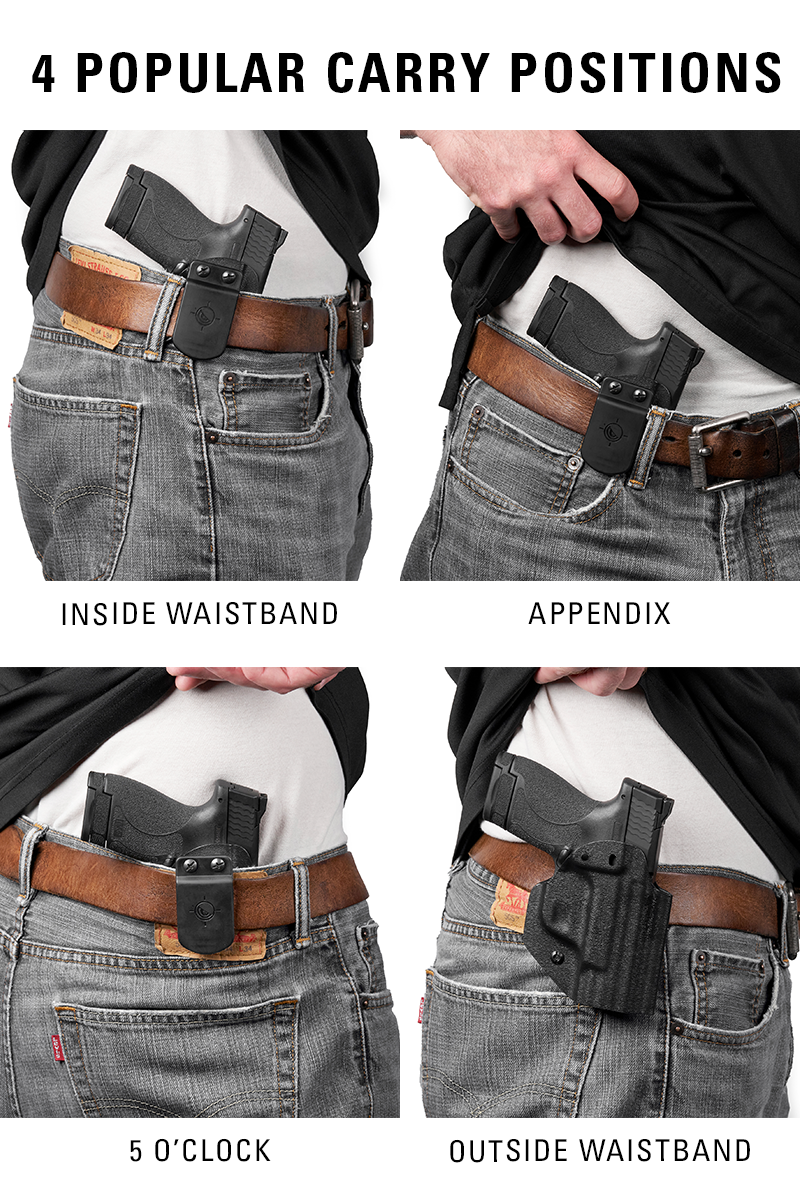
The RXM's Glock 19 holster compatibility is one of its most practical advantages for concealed carriers. Rather than waiting for RXM-specific holster development, buyers can immediately access the full range of Glock 19 holsters — IWB, OWB, AIWB, light-bearing, duty, competition — from day one.
WARRIORLAND's RXM-compatible holster lineup covers every carry configuration:
- Ruger RXM IWB Kydex Holster — Optic Cut & Concealment Claw — Precision-fit dedicated holster for the RXM. Optic cut accommodates red dot equipped RXMs. Concealment claw rotates the grip inward to minimize printing. Adjustable cant and retention for personalized fit. The purpose-built IWB solution for RXM concealed carry.
- IWB Hybrid Holster — Glock 17/19 & Ruger RXM/MR920 — Leather-backed Kydex hybrid for all-day comfort. Covers both Glock 17/19 Gen3-5 and Ruger RXM/MR920 in a single holster. Claw attachment and optic cut included. The comfort-first option for RXM carriers who want leather backing against the body.
- OWB Kydex Paddle Holster — Glock 17/19/MR920 with Optic Cut — Outside-the-waistband option for range use, open carry, and OWB concealed carry. Compatible with MR920 and Glock 17/19 platforms. Optic cut for red dot equipped pistols.
- Universal OWB Paddle Holster with Optic Cut — Fits 40+ compact pistols including Glock 19-compatible platforms. The versatile OWB option for RXM carriers who want range and duty capability.
For magazine management, the RXM's Glock magazine compatibility means standard Glock-compatible magazine carriers work immediately. The universal 9mm/.40 double-stack magazine carrier supports Glock 17/19 magazines — which are the same magazines the RXM uses — in IWB and OWB configurations.
The Bigger Picture: What the RXM Signals
A New Competitive Strategy
The RXM represents a significant strategic shift in how manufacturers compete with Glock. Previous competitors — SIG, HK, Walther, Springfield — built proprietary platforms and tried to convince buyers to leave the Glock ecosystem entirely. Some succeeded; most captured niche markets without threatening Glock's dominance.
Ruger's approach with the RXM is different: instead of competing against the Glock ecosystem, plug into it. Accept Glock magazines. Fit Glock holsters. Accept Glock-compatible triggers. Then differentiate on the features where Glock falls short — factory trigger quality, optics integration, grip texture.
This strategy acknowledges a reality that most manufacturers have been reluctant to admit: the Glock ecosystem's depth is a competitive moat that's nearly impossible to overcome by building a competing ecosystem from scratch. The smarter play is to leverage it.
What It Means for Buyers
For buyers, the RXM's existence creates a genuinely competitive alternative to the Glock 19 that doesn't require abandoning the ecosystem advantages that make Glock ownership practical. This is good for the market — competition drives improvement, and Ruger's entry into the Glock-compatible space gives Glock a reason to improve its factory trigger, optics integration, and grip texture.
Whether the RXM ultimately succeeds in capturing meaningful market share from the Glock 19 depends on factors that will take years to evaluate: long-term reliability data, aftermarket development, law enforcement adoption, and whether Ruger continues to invest in the platform. The early signs are positive, but the Glock 19's track record is measured in decades, not months.
Conclusion: A Serious Contender That Earns Consideration
The Ruger RXM is not a gimmick, not a Glock clone, and not a platform that exists only to capitalize on Glock's name recognition. It's a thoughtfully engineered pistol that addresses real limitations of the Glock 19 — factory trigger quality, optics integration, grip texture — while deliberately maintaining compatibility with the ecosystem that makes Glock ownership practical.
For buyers who've been satisfied with the Glock 19 but frustrated by its factory trigger, its MOS premium for optics-ready capability, or its moderate grip texture, the RXM offers a compelling alternative that doesn't require starting over. For buyers who are new to the market and want maximum ecosystem flexibility, the RXM provides an entry point into the Glock magazine and holster ecosystem from a manufacturer with a strong quality reputation.
The Glock 19 remains the benchmark — proven, trusted, and backed by decades of documented performance. But the RXM has earned a place in the conversation, and that's more than most Glock competitors can claim.
If you carry the RXM, carry it in a holster that matches its quality. WARRIORLAND's dedicated RXM IWB Kydex holster and Glock 19/RXM hybrid IWB holster provide precision-engineered carry solutions for the platform — built to the same standard as the pistol itself.